



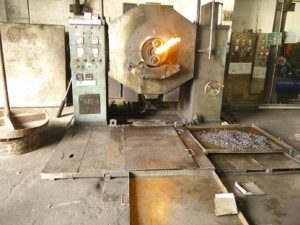
The process otherwise is also known as through hardening or neutral hardening. In this process the hardness of the material is same in the surface as well as core. Neutral Hardening is performed mostly on medium carbon steel and alloy steels.
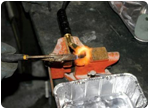
This surface hardening process is applicable to low carbon steel where more frictional forces acts. During the process, the chemical composition of the surface layer changes by adding carbon, nitrogen, or both.
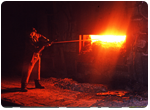
The next operation to hardening and quenching operation followed in both neutral hardening or case hardening process to obtain high strength in the hardened parts. Tempering temperatures varies for Neutral Hardening and case hardening.
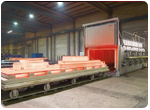
Our professionals hold expertise in undertaking Annealing to meet the requirements of various industries. It is designed in order to anneal the steel wire coil and transformers core, which makes them soft and ductile. Annealing helps in making the metal products, user friendly, compact in size, highly efficient and low in maintenance.
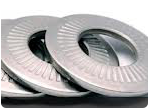
We undertake Carbo Nitriding heat treatment for various alloy parts using pit type gas carburizing furnaces. The furnace is integrated with auto tuning microprocessor based ramping controller along with soak timer, which ensures execution of flawless service.
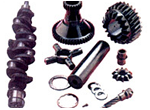
Carburizing, also referred to as Case Hardening, is a heat treatment process that produces a surface which is resistant to wear, while maintaining toughness and strength of the core. This treatment is applied to low carbon steel parts after machining, as well as high alloy steel bearings, gears, and other components.
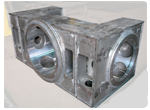
As the machining induces stress in the parts, distortion might occur therefore, Stress Relieving is required. Stress Relieving is designed for P.C. wires, single and stranded wires, which are subjected to a temperature of about 650 ºC (1202 ºF). The internal stress is removed up to 90% thus, making the parts highly durable.
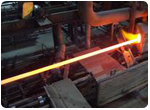
We offer Normalizing treatment to achieve higher hardness and strength of ferrous alloys. This process helps in gaining a grain structure of fine Pearlite with excess of Ferrite or Cementite as the alloys are heated upto 100 F above the critical range. The structure is removed from the furnace to be cooled at controlled room temperature. Normalizing process is widely used in mechanical, civil construction and automobile industries.
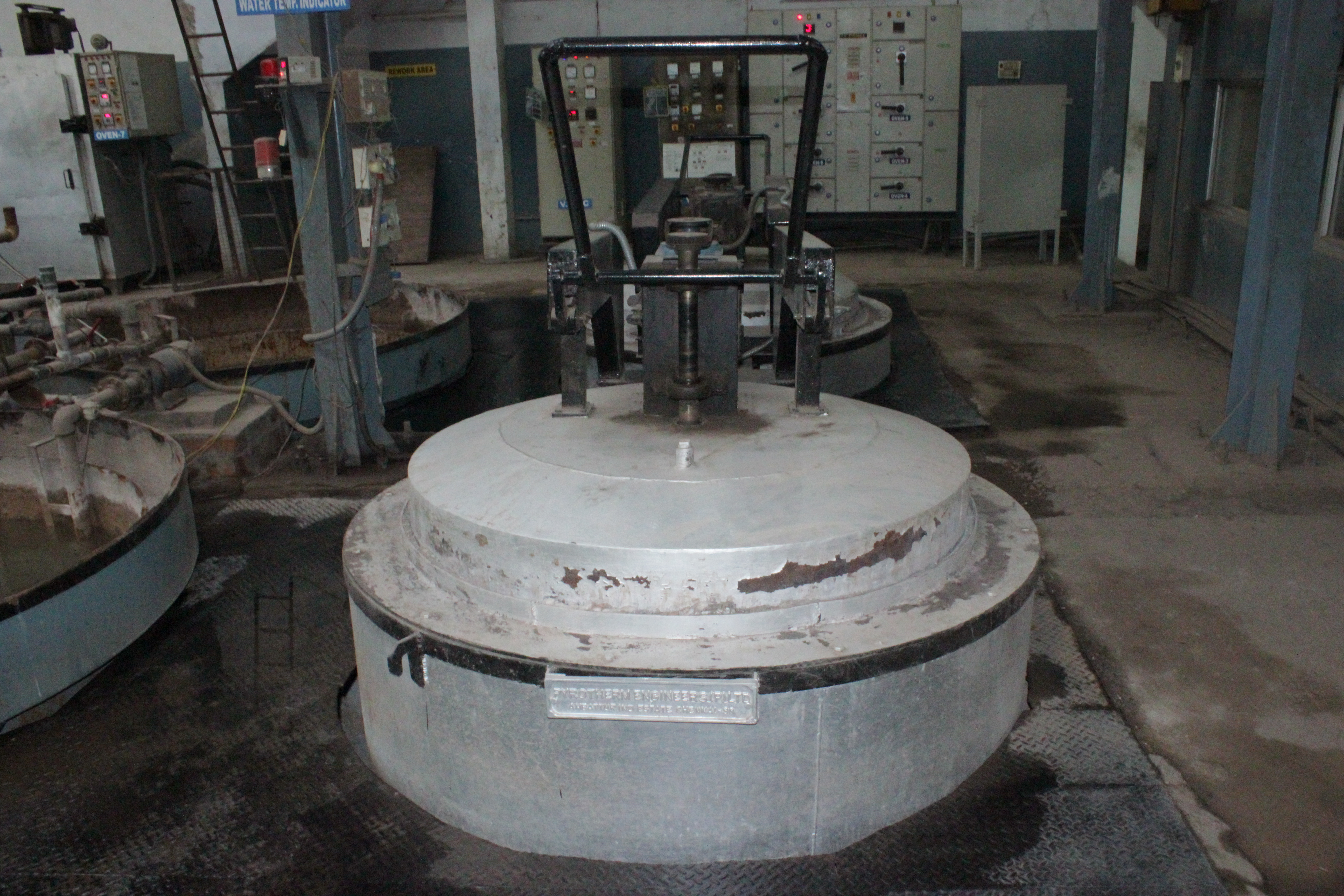 A process in which an alloy or metal is heated to a suitable temperature, is held at that temperature long enough to allow a certain constituent to enter into solid solution, and is then cooled rapidly to hold that constituent in solution. Most solution heat treatments soften or anneal.

Precipitation hardening, or age hardening, provides one of the most widely used mechanisms for the strengthening of metal alloys. The fundamental understanding and basis for this technique was established in early work at the U. S. Bureau of Standards on Duralumin.